There are a lot of platforms built for Veterans. Most of them are open, algorithm-driven, and designed to scale. HonorBound is none of those things, and that's the whole point.
Keith Botelho is the founder of HonorBound — a verified-membership community at honorbound.vet where every account is manually reviewed before it gets in. That's not a bug. It's the model. Keith's reasoning is direct: the second you let anyone in, you lose the thing that made military service worth anything in the first place — knowing the person next to you has actually been there.
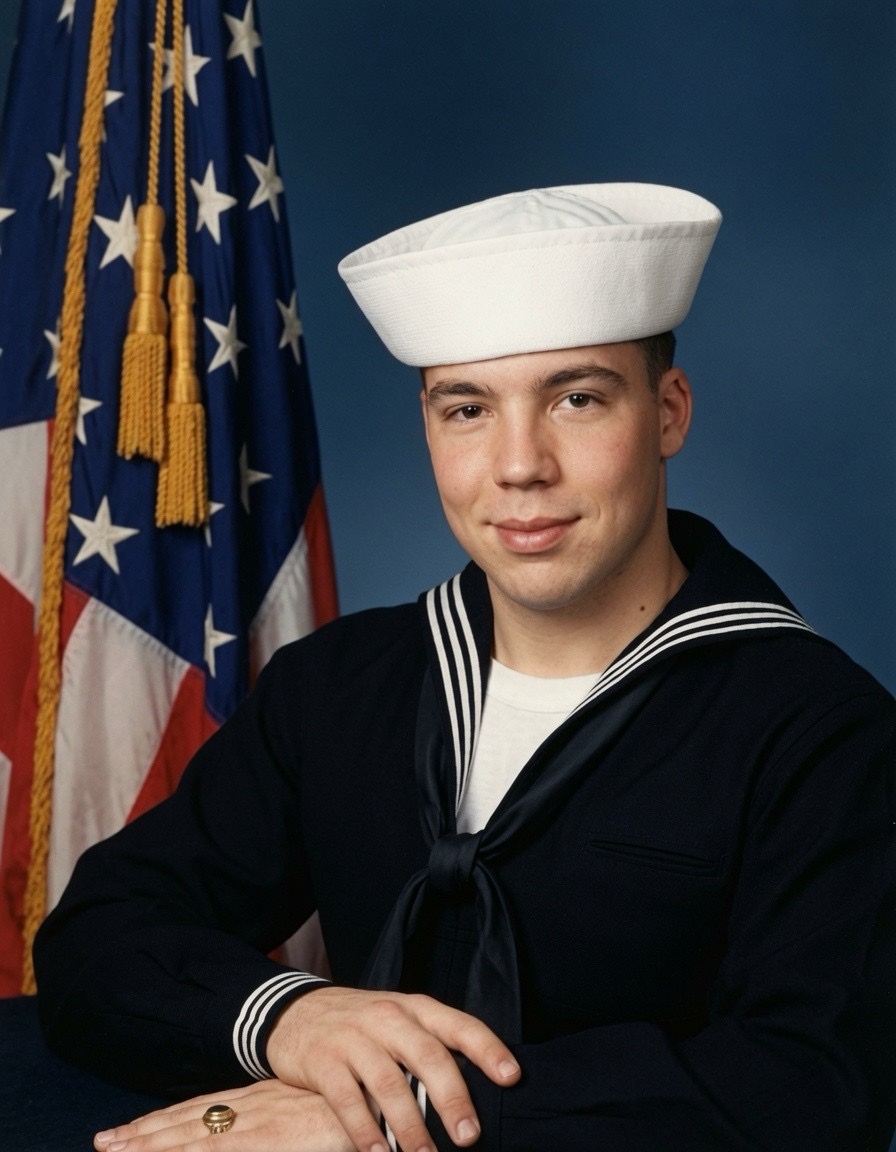
Keith Botelho · U.S. Navy · Bootcamp, 1992
What HonorBound Is
HonorBound is built around three things that most platforms don't offer Veterans: verified trust, anonymous space, and a single place for real VA information.
The verification process is slow by design. People drop off mid-process. Keith knows that. He's building an integration with the VA to automate status confirmation, but the intent will stay the same — only people who have actually served get in. He put it plainly: "I'd rather have 500 real Veterans than 50,000 accounts."
Inside the platform is a feature called Radio Silence — an anonymous forum where verified Veterans can post without a username and without anything being indexed by search engines. Keith described what it's for: "Some things you only say once, to no one, and then you want them gone. Vets carry stuff they're not going to put their name on — not because it's shameful, just because it's nobody's business, or it could come back on them at work, or with family." What gets said there is heavier than what gets said in regular forums. That's the point.
There's also a section called Stand Down — a private space to remember the ones who didn't make it back.
The Gap It's Closing
Keith described the transition out of service in a way that anyone who has lived it will recognize immediately: "You're discharged and suddenly nobody around you speaks the same language anymore. Not literally — but the shorthand, the trust, the 'I don't have to explain this' — that's gone. Family and friends love you, but they don't know how to decode your language. While they mean well, they're guessing."
On top of that, he said, you're handed a VA system that's confusing on purpose half the time and an internet full of people trying to monetize your benefits claim. The VSOs are great and they're overwhelmed. HonorBound is an attempt to put back what's missing — people who get it without explanation, real information without the noise, and somewhere to put the things that don't have anywhere else to go.
What He's Learned
Keith has been building this at a time when the default is public, open, and algorithm-driven. He's gone the opposite direction on every one of those dimensions. What he's learned from that: "Veterans don't want more reach, they want fewer strangers. They want a place that feels closed in a good way — like a unit, not a platform. Privacy by default, no ads, no data mining, nobody trying to extract anything from them. That's the opposite of how most apps are built."
When Veterans stick around and actually become part of the community, what changes? Keith's answer was short: "They stop being the only one who gets it. That's most of it, honestly."
"It's not flashy. Nobody's life gets transformed overnight. It's quieter than that — somebody feels less alone than they did a month ago, and that's the whole point of building this thing."
Where to Find It
HonorBound is at honorbound.vet. If you're a Veteran, it's worth a look. If you know someone in their first year out, send it to them.